At ReGenEarth, circularity isn’t a slogan; it’s the operating system behind everything we build. The transition underway at Eccleshall encompasses the full 10R circularity ladder, from Refuse and Rethink at the design stage through to Recover at the end of life. As we retire “Alice,” the UK’s first large‑scale biomass plant, we’re demonstrating what responsible transformation looks like: honouring the past, extracting maximum value from existing assets, and designing a future that permanently reduces environmental burden.
The 10‑R framework guides every decision we make. We refuse wasteful practices and rethink how legacy infrastructure can serve modern climate goals. We reduce resource intensity, reuse viable components, and Repair or Refurbish equipment wherever possible. When systems reach the end of their original purpose, we remanufacture or repurpose them into new roles. Only then do we recycle materials or recover energy and carbon. This hierarchy keeps value circulating locally and ensures that every tonne of material is treated as a climate asset rather than a liability.
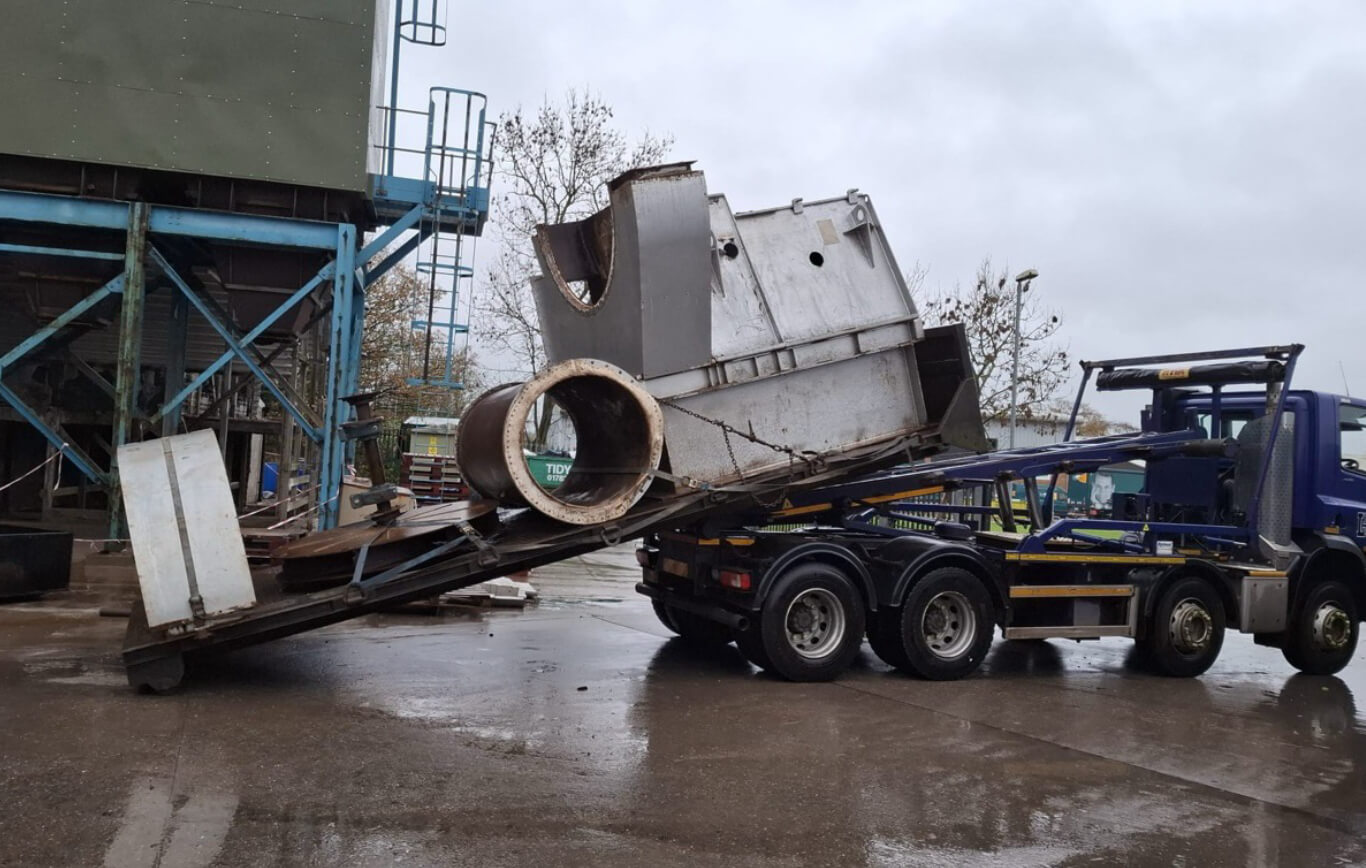
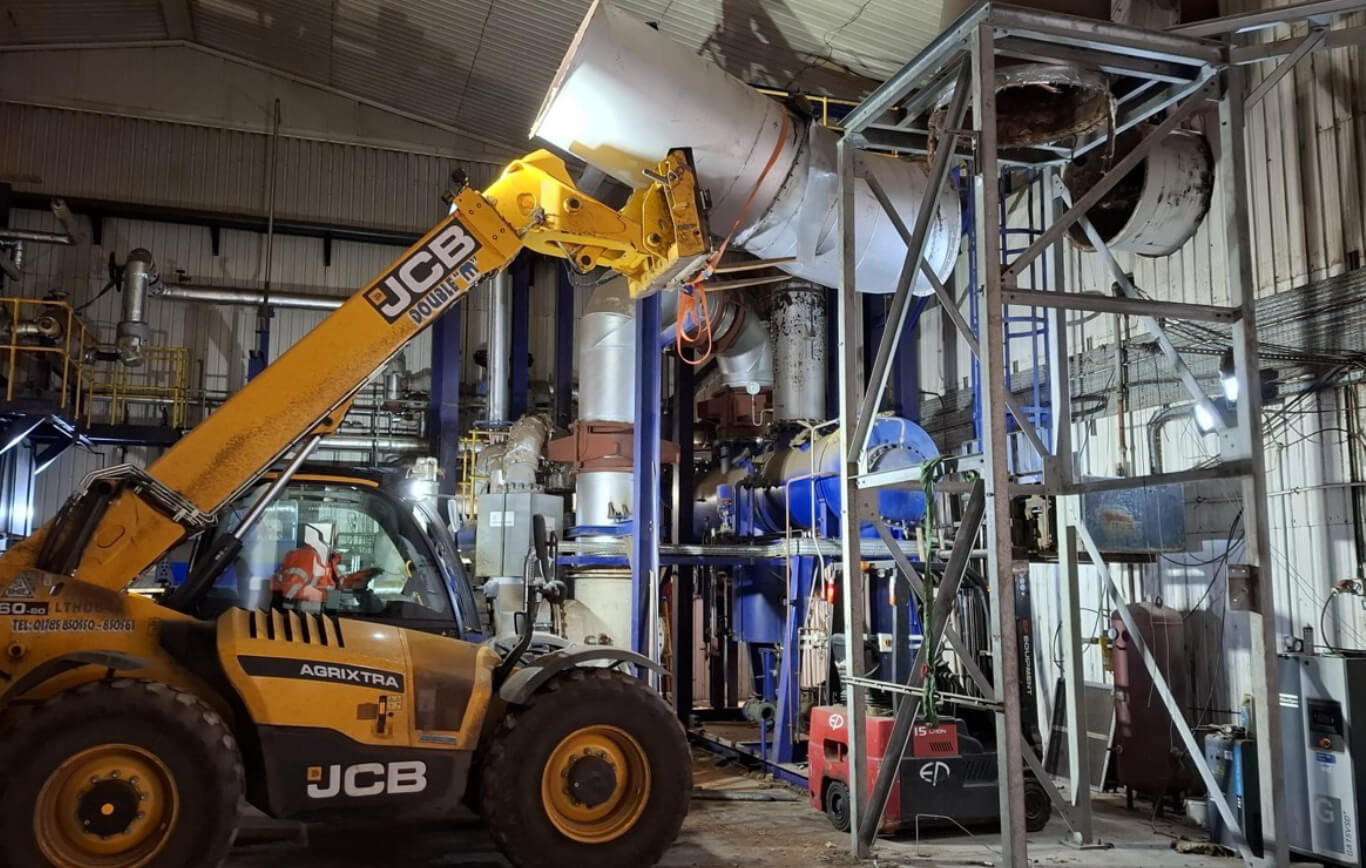
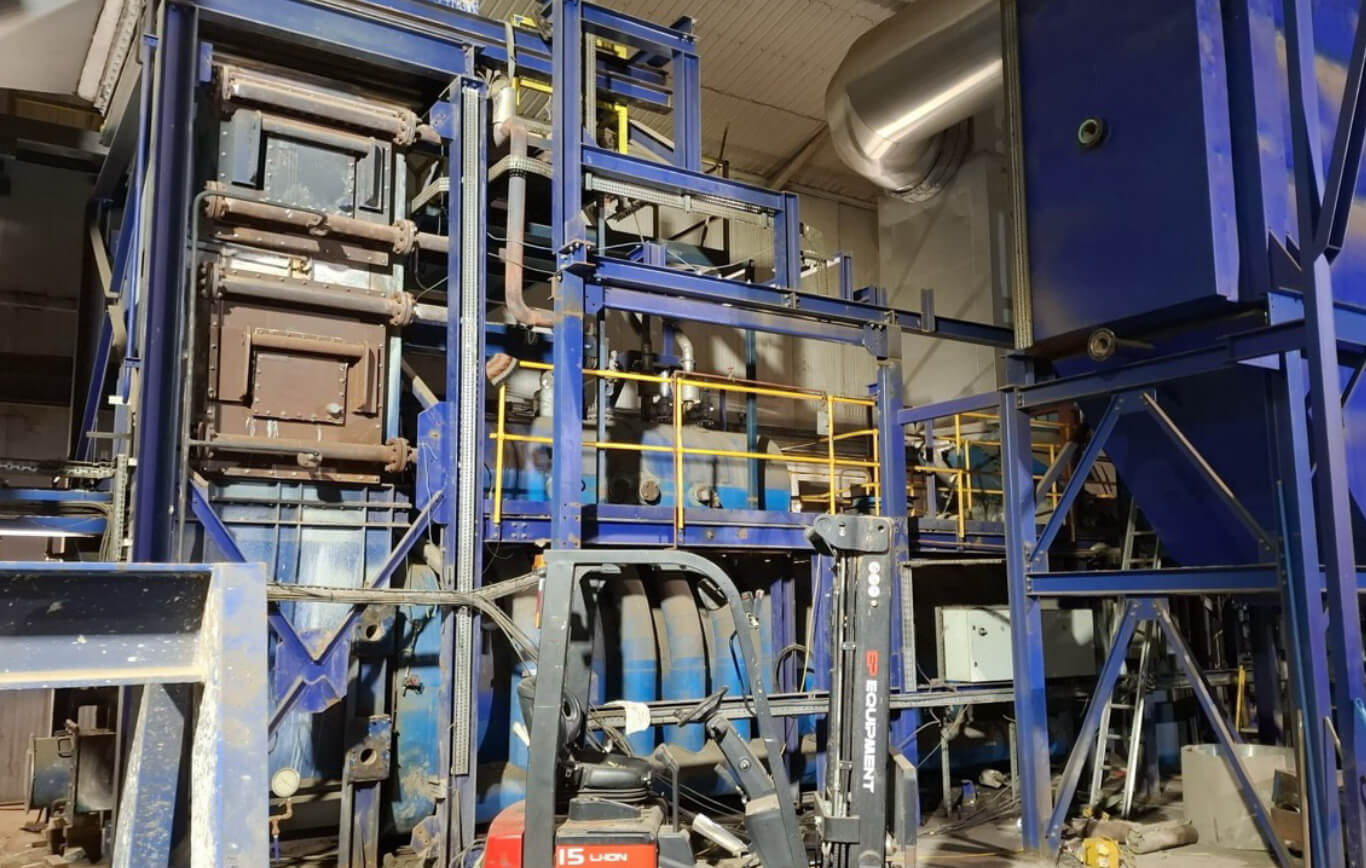
Nowhere is this philosophy more visible than in the decommissioning of Alice. After decades of service, the biomass boiler reached the end of its operational life, but her story doesn’t end with dismantling. Two‑thirds of the equipment has already been removed, with reusable components entering new value chains rather than the waste stream. This is circularity at an industrial scale: a deliberate, disciplined process that extracts maximum utility from legacy assets while clearing the way for next‑generation climate infrastructure.
As we redevelop the site into a first-of-its-kind tyre recycling and biochar production hub, Refurbish and Reuse take centre stage. Many of the components, tools, and industrial systems from Alice are being carefully assessed, restored, and made available for purchase through our industrial eBay channel eccleshall_biomass on eBay). These items, ranging from heavy‑duty plant equipment to specialist fittings, represent high‑quality engineering with years of life left in them. By putting them back into circulation, we extend their utility, reduce embodied carbon, and help other operators lower their environmental footprint.
This is the circular economy made tangible: a site that once generated renewable power will now generate carbon‑negative biochar, zero‑emission tyre recycling, and a steady flow of refurbished industrial assets that avoid emissions simply by being used again. Eccleshall is becoming a blueprint for how the UK can transform legacy energy infrastructure into climate‑positive, economically productive hubs. And every component we refurbish, every asset we reuse, and every item we return to industry is another step toward a system where waste is no longer inevitable, only opportunity.